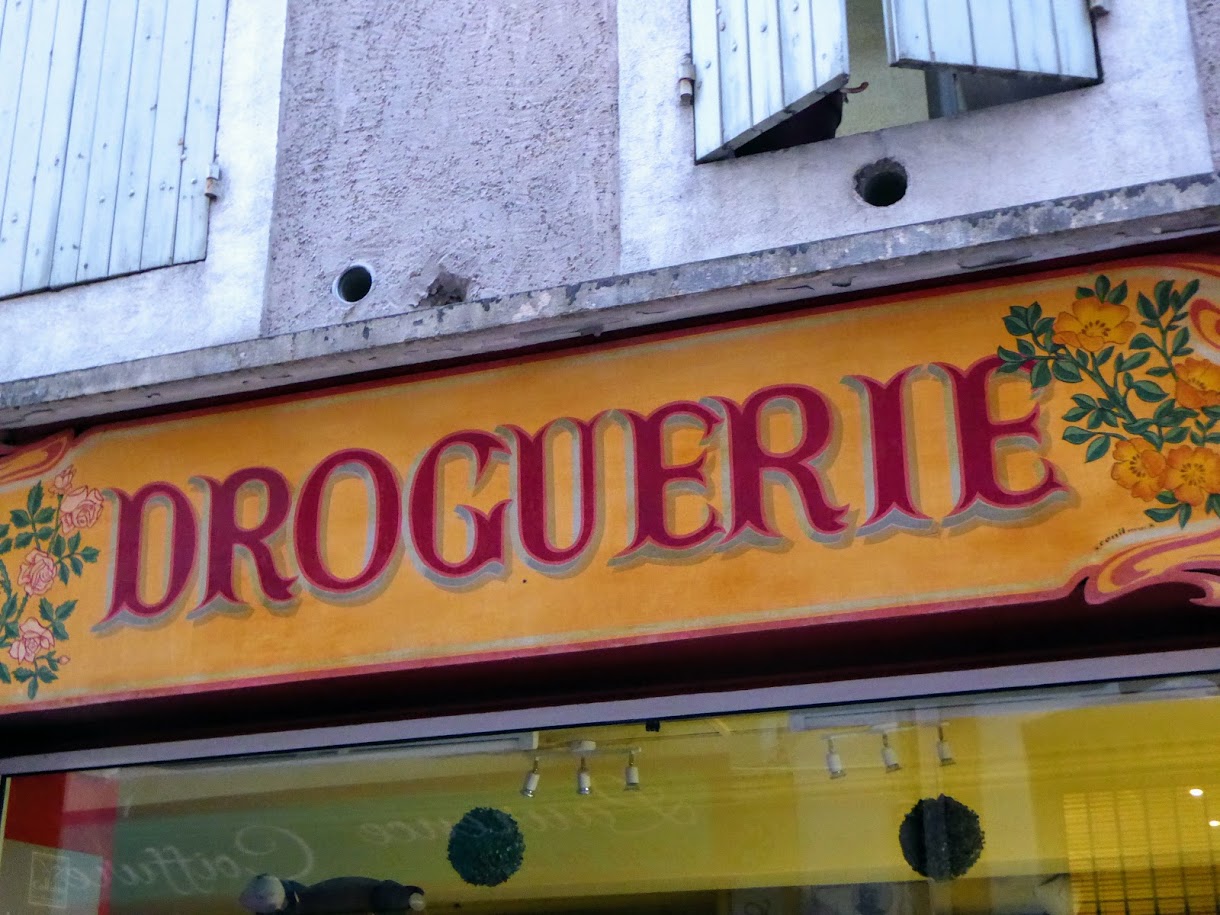

On our way towards Orange, we stopped at the market in Carpentras – finally one that we had the correct information for! French markets are hubs of colour, smell, and noise; this one was no different.
Carpentras market
There is no breakfast my family loves more than yoghurt with a spoon of honey – a spoon which has become increasingly more generous over the last few years of their honey connoisseuring. Their quest, which they enthusiastically chose to accept, was therefore to find the best honey and take as much of it back to the UK as they could. But why buy honey from one stall when you could buy from many? Carpentras has over three hundred market stalls, and at least four of them were honey stalls. At each of them tasting spoons were thrust upon us; upon each tasting we dutifully parted with money.
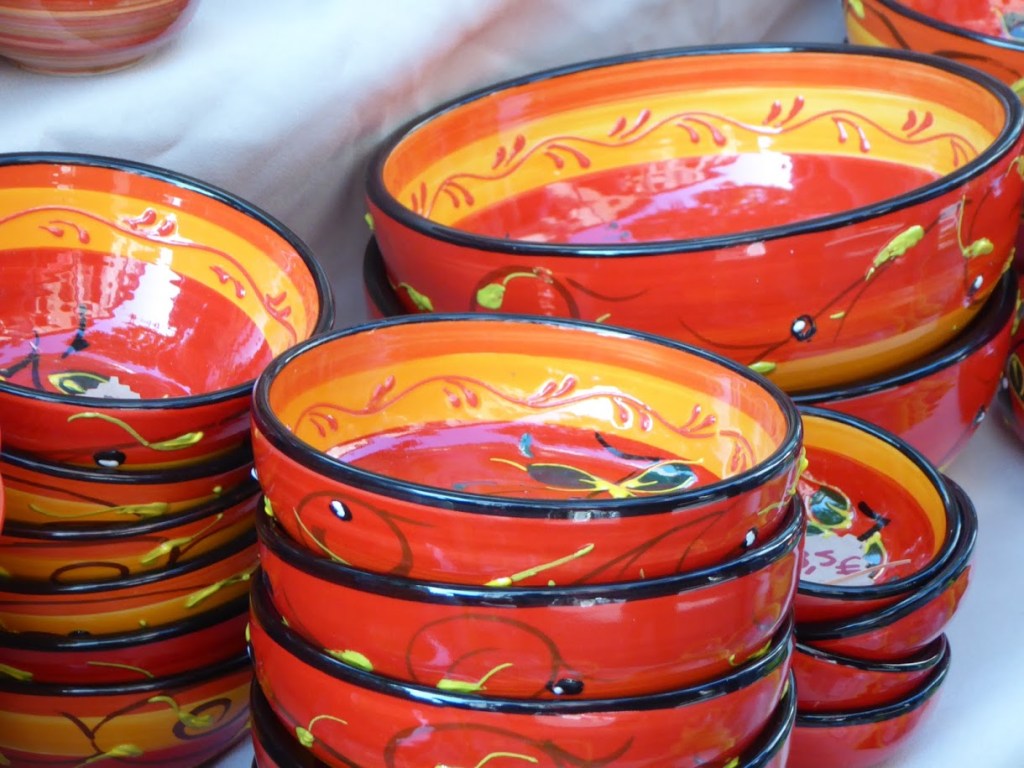
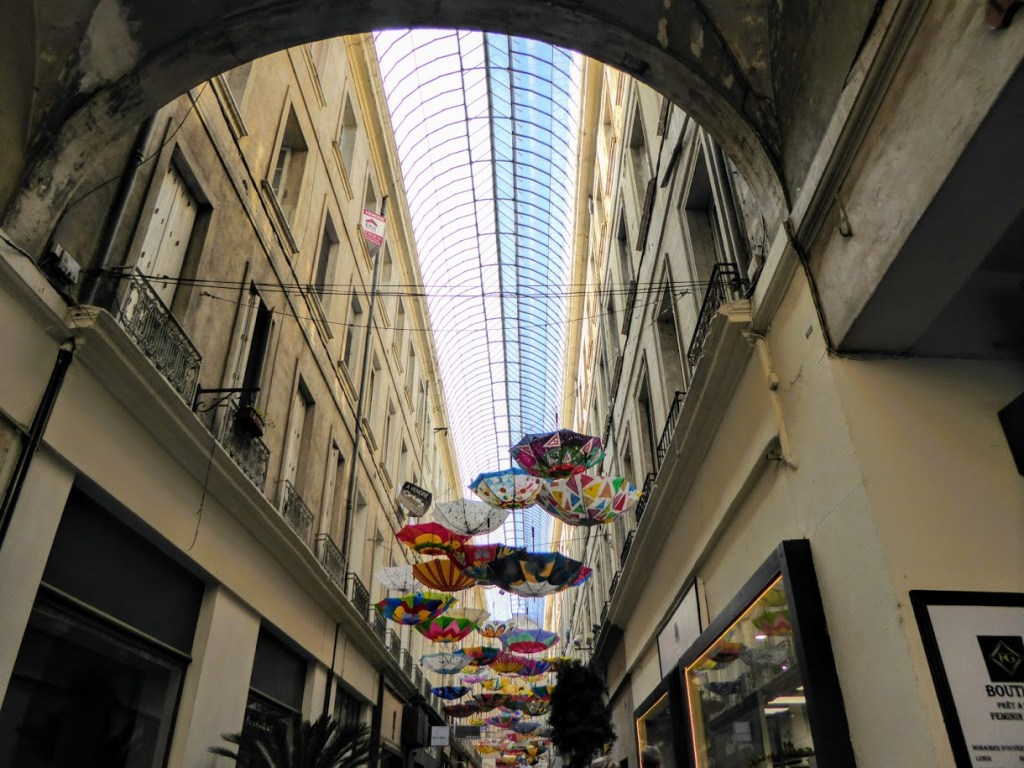
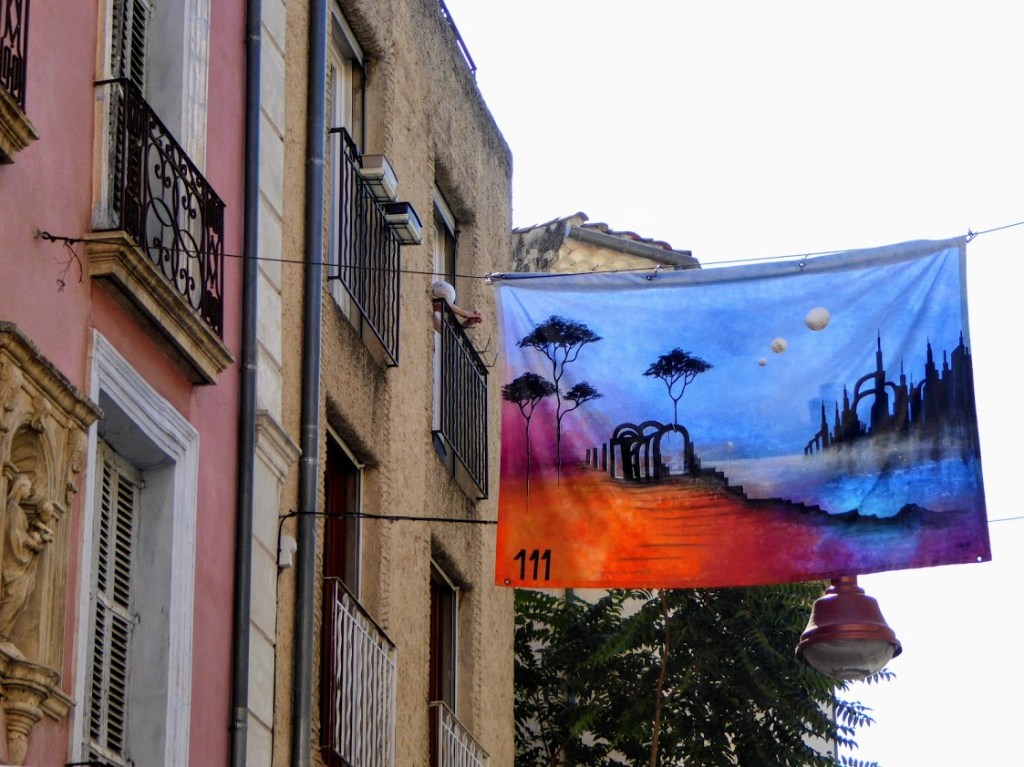
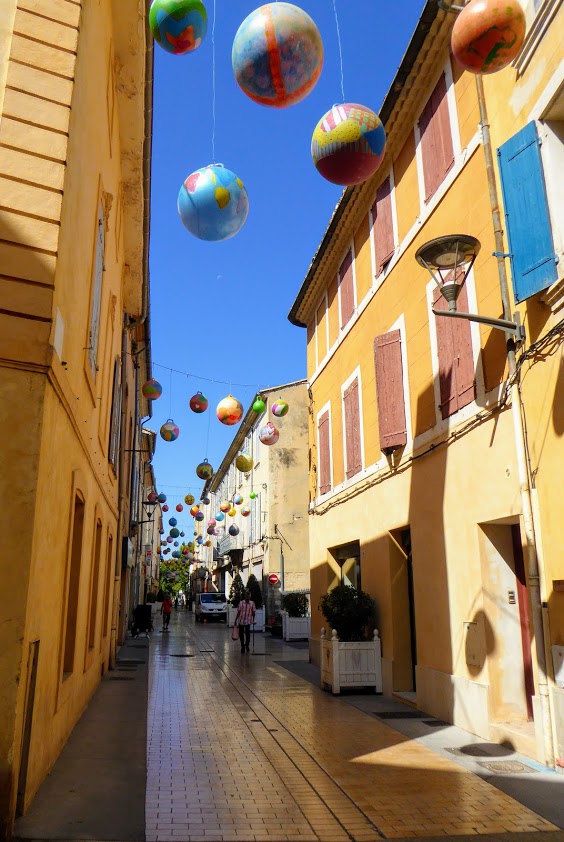
You can find all sorts of things at the market in Carpentras: brightly coloured dishes, clothes, jewellery, books, teatowels, tablecloths, food. The market consumes the whole town centre for the morning it is set up, so much so that you barely notice the abandoned state of the buildings around you. Once beautiful beautiful architecture is neglected and covered in pigeon droppings, but the art installations make it easy to ignore this.
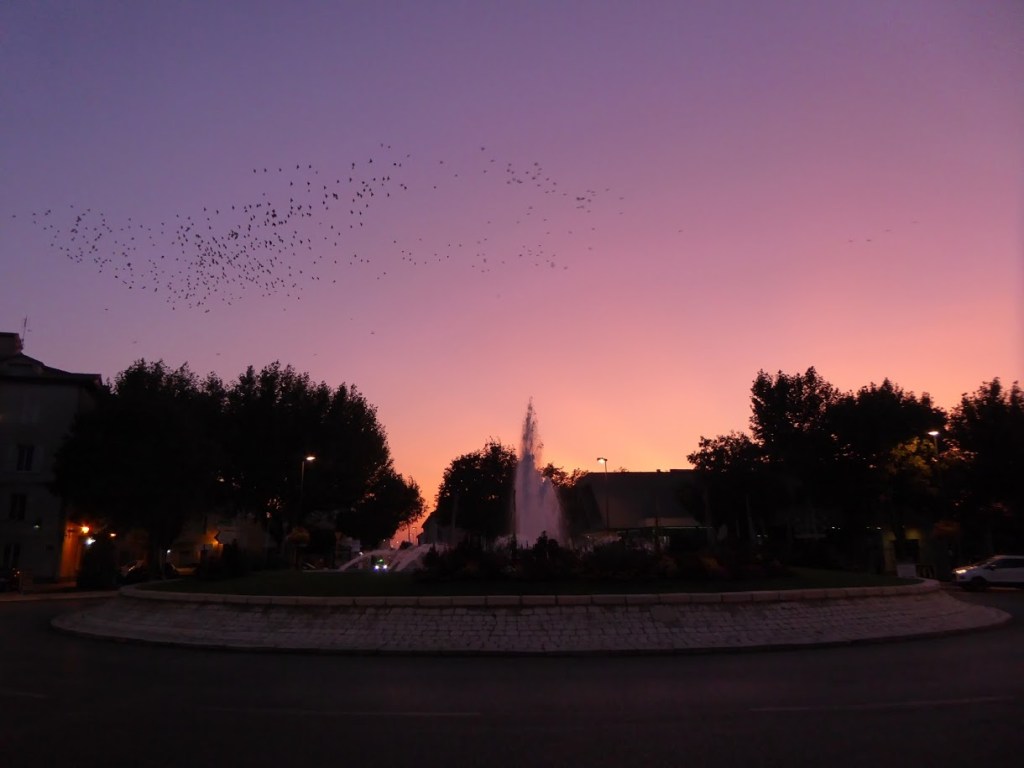
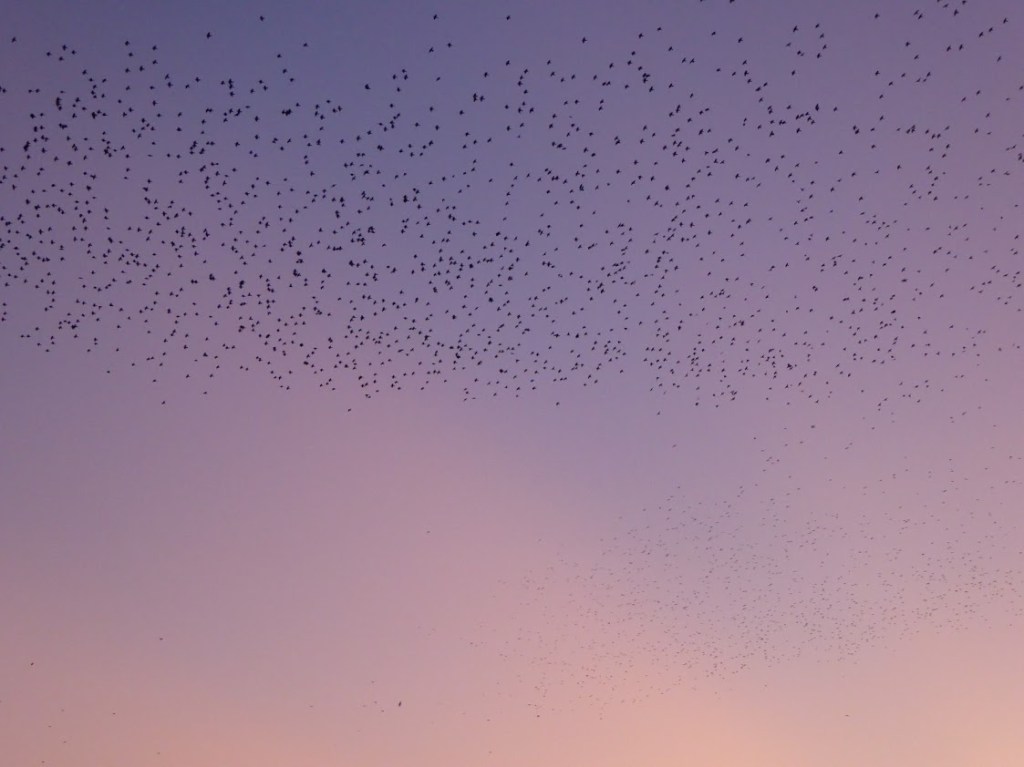
We enjoyed a restful evening in Orange after the rather intense morning. On my wanders round the old town I came across the most remarkable David Attenborough-esque sight: flocks of starlings flying across the sky at sunset. There must have been hundreds of them.
Les Baux-de-Provence
My auntie recommended we go to an installation in Les Baux called Carrières des Lumières; once we’d booked a time, we arrived early to explore the town a little and have a picnic lunch. The village is situated on top of a hill which is a joy to climb in 36°C heat. There are lots of parfum shops and general mixed souvenir shops to cater for the tourists visiting, selling the Provence specialities of Savon de Marseille, olive wood household items, lavender bags etc.
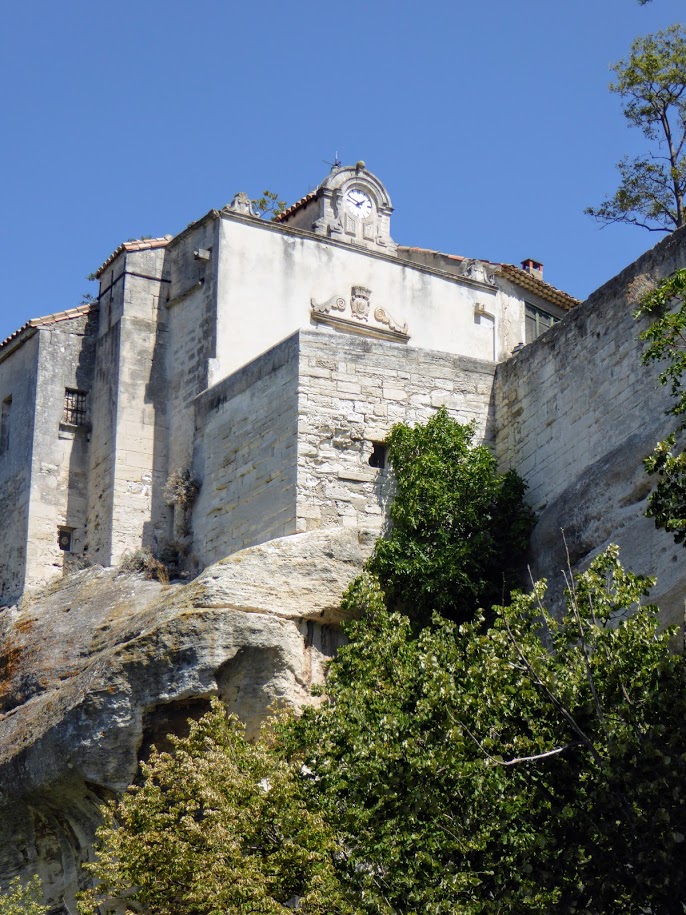
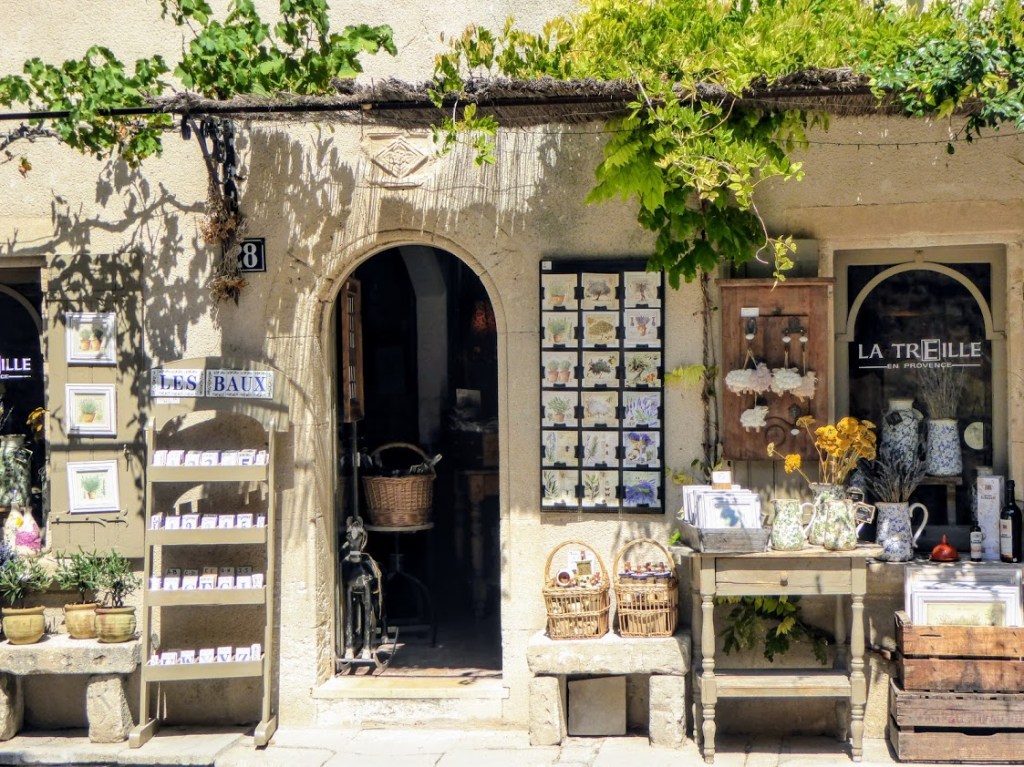
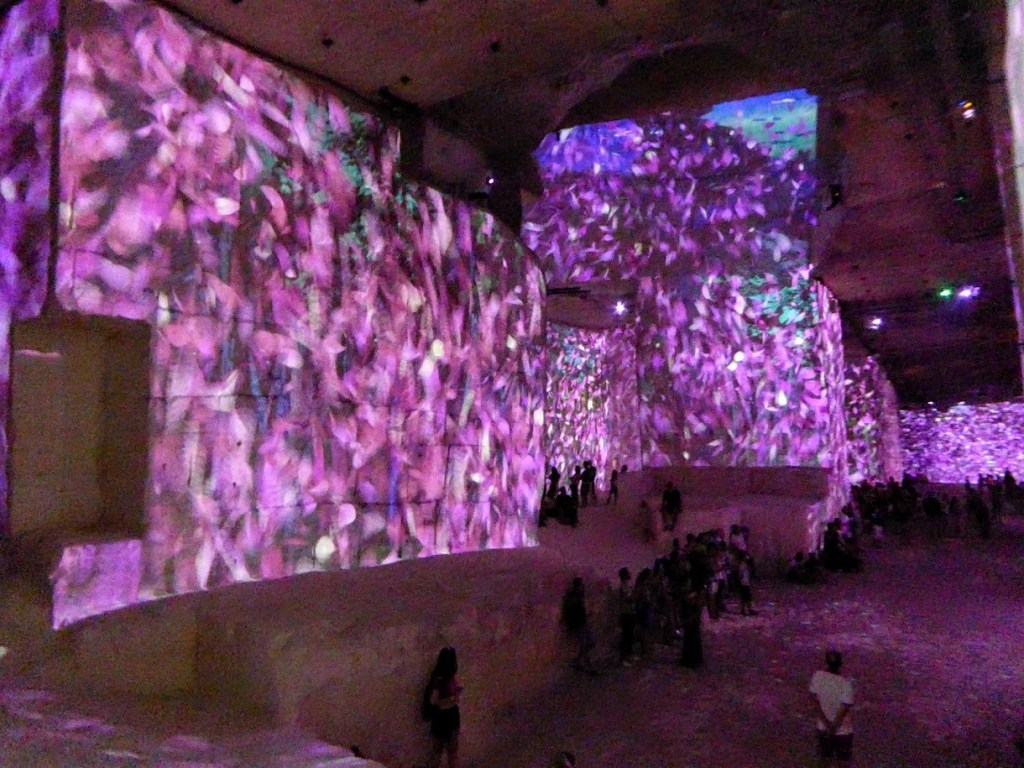
Carrières des Lumières is inside a hollowed out stone cave, probably man-made, and is an installation of digitalised moving art and sound. The two exhibitions on when we went were Vincent Van Gogh and Dreaming Japan. They featured lots of famous pieces of artwork come alive in movement, accompanied by background music as way to immerse yourself in it. Projectors were hidden all over the cave so that every wall, ceiling, and floor surface was covered by art.
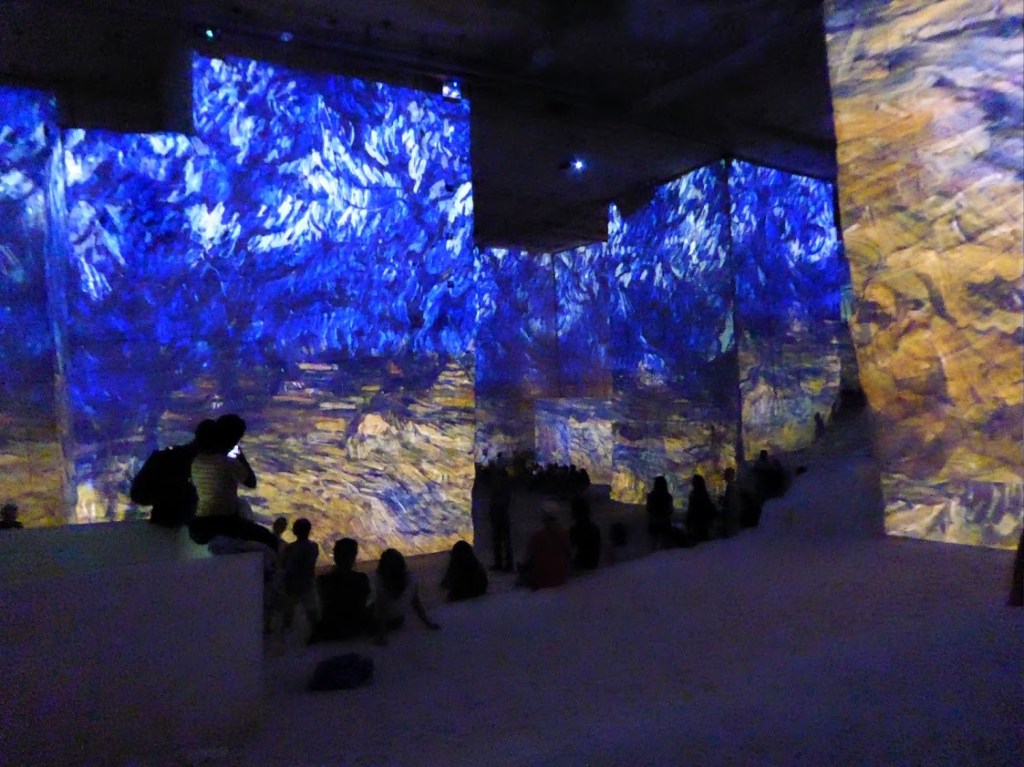
It was a really special experience to be so fully immersed in the mix of art and music. I would recommend anyone in Provence able to drive to visit this fantastic installation.
Avignon
In my very early years we had a cassette tape of French nursery rhymes which were always played in the car, including the famous Sur le pont d’Avignon. To get back to Orange from Les Baux we had to drive past Avignon anyway, so I asked if we might stop there for a short while. Successfully depositing the other tired family members in a cafe near the city ramparts, Mum and I enjoyed a short walk exploring the centre of town.
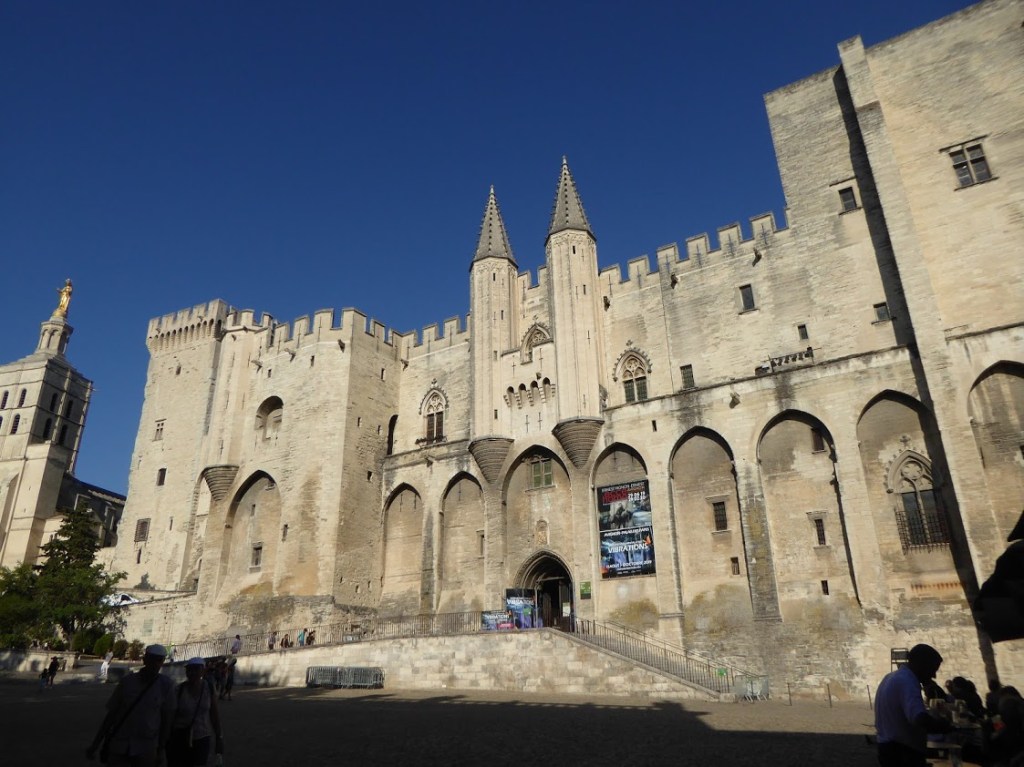
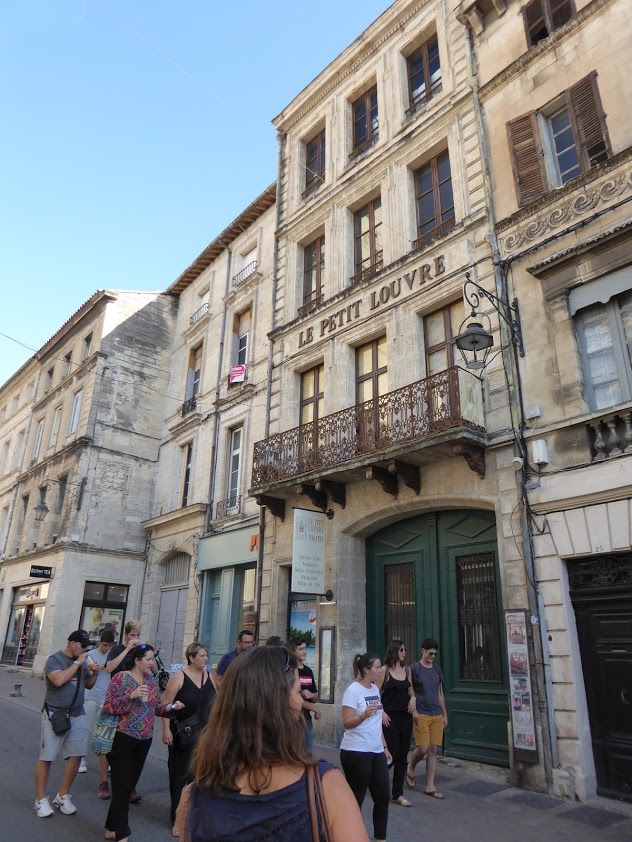
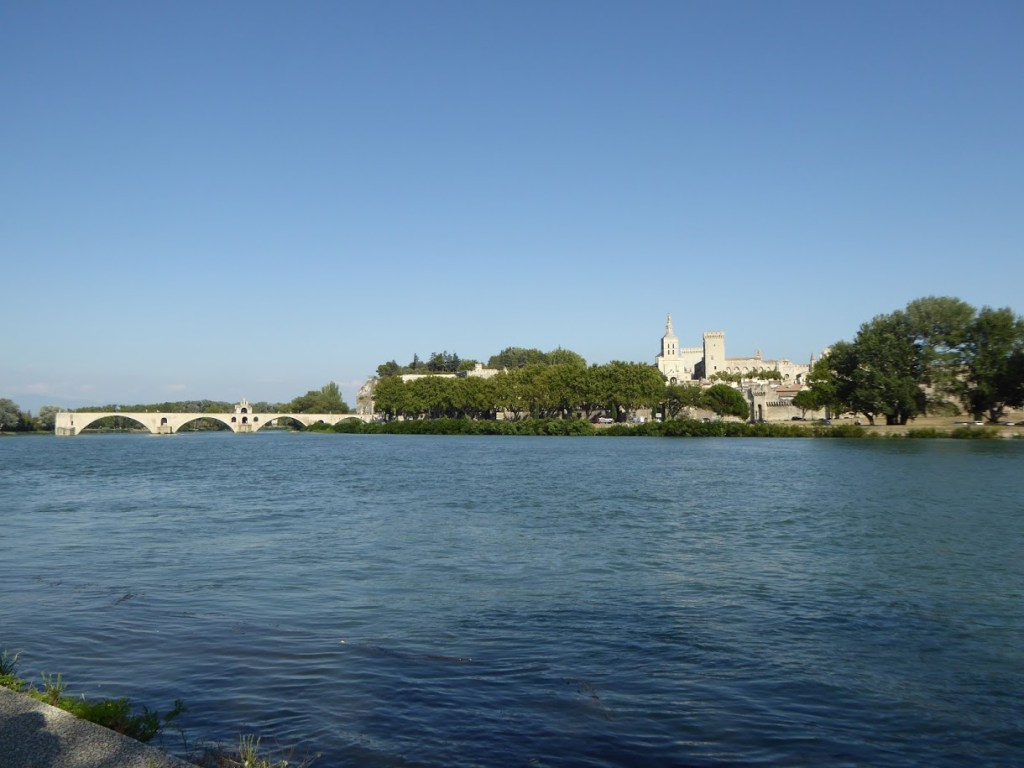
The view of the bridge from nearby the car park was lovely, and far better than the one you’d get if you actually stood and danced on the bridge (which you have to pay for). Maybe next time I’ll bring a dance partner as the syncopated rhythm of ‘on y danse’ requires knowledge of samba steps.
A Roman Orange
Whatever original oranges the Romans ate are now either rotted or long since digested, but the city of Orange used to be a very prominent Roman colony founded by retired war veterans. Its original population was more than twice what it is now, so it is no surprise that there are two key sites still remaining from that period.
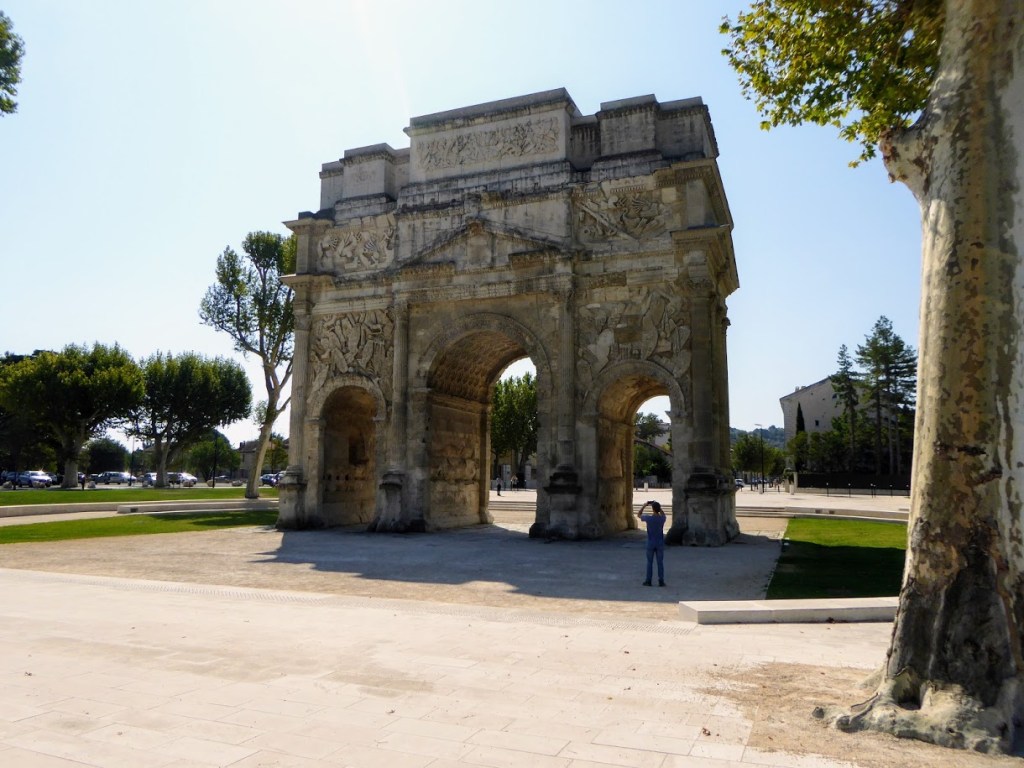
France has a special way of dealing with their highway rule of priority to the right, better known as the roundabout. Each roundabout is marked with some kind of monument to distinguish it from its many neighbours, and what better monument to built a roundabout around than an original Roman triumphal arch. Paris, move over, Orange’s Arc de Triomphe is no shoddy nineteenth-century replica.
The second piece of upstanding Roman architecture is the Theatre of Orange – the only Roman theatre in the world with its stage wall still intact. A replica roof has been built over to protect the stage from the elements. There was a helpful audio guide which accompanied our visit, giving details of Roman tragedians and pantomime performances (the latter of which extensive information can be found in The Beggar of Volubilis by Caroline Lawrence).
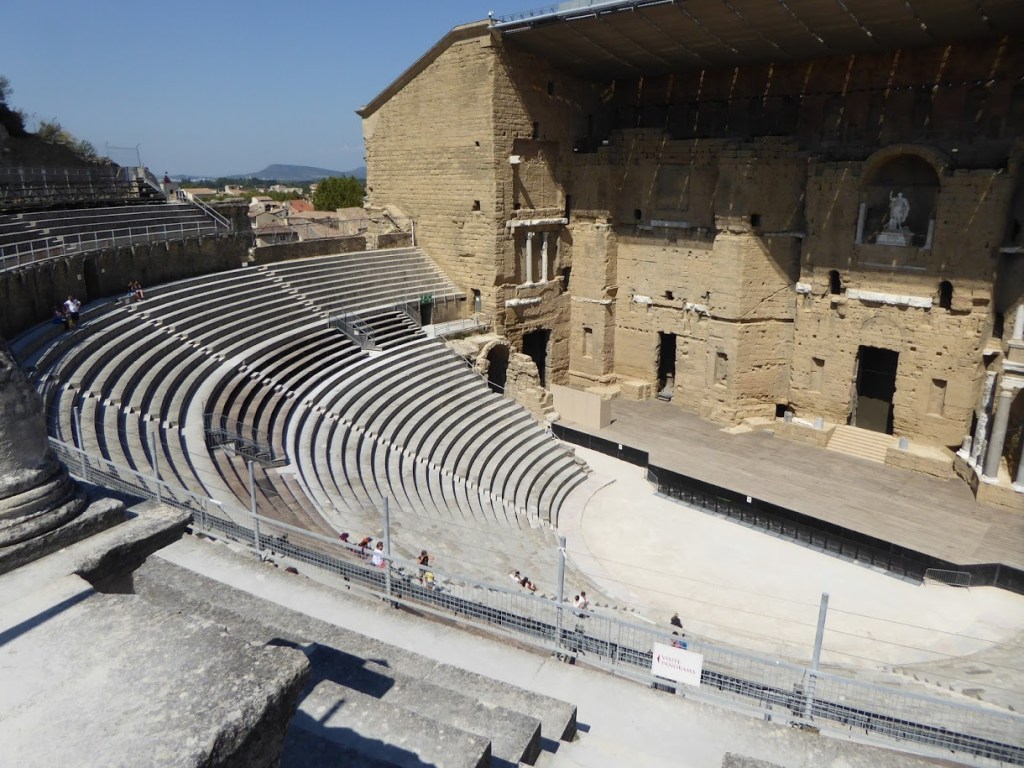
The statue of Caesar which has survived millennia has a removable head, as was the custom, so a quick substitute could be ordered whenever there was a change in power. No doubt there was a large workshop in Rome kept duly in business with these state commissions of new heads. Dad and I took part in a virtual reality presentation of the construction of the city and theatre of Orange, which I would not pay for again. The posters advertising it offer as much of a reconstruction as you see in the video itself.
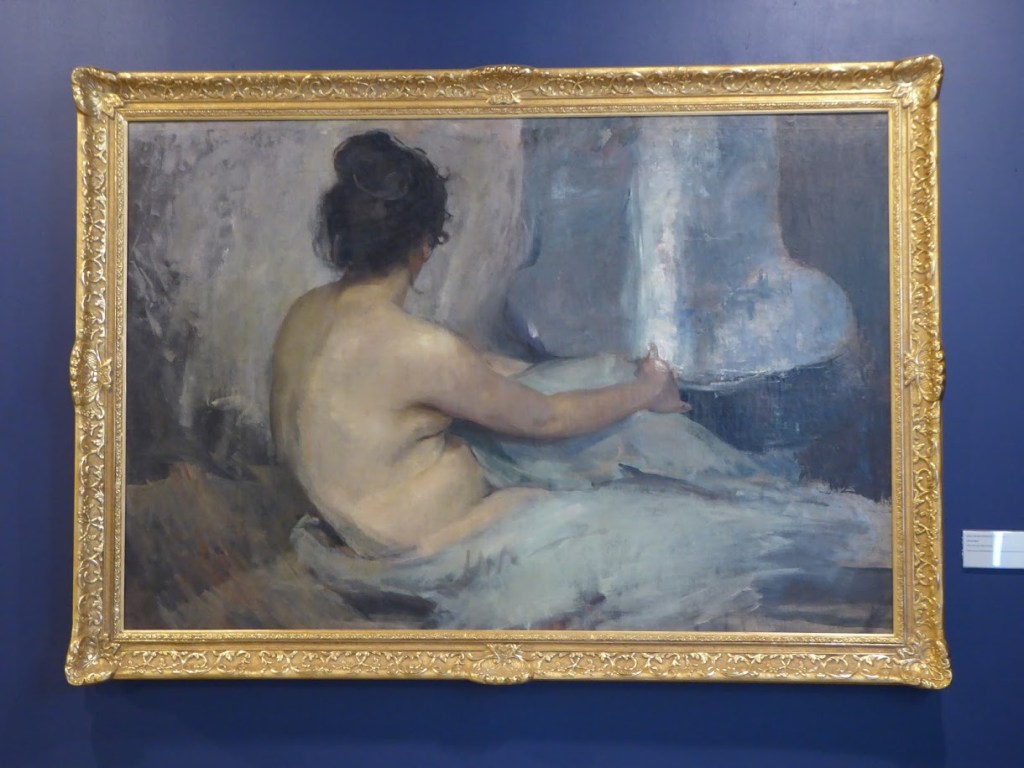
With the ticket to the theatre, you can also access the museum on the opposite side of the road. This has three rooms of unimpressive, generic Roman relics, while the upper two floors are dedicated to Baroque furniture and nineteenth-century art.
Evening in Orange
Mum and I walked up a hill to get a view of the sunset for the evening. Google Maps tried to lead us through a locked gate, but thankfully a printed map of the walk was more helpful. We alighted on a bench at a suitable viewpoint and watched amusedly as the lights of the wind turbines flickered, struggling to decide whether or not it was nighttime yet.
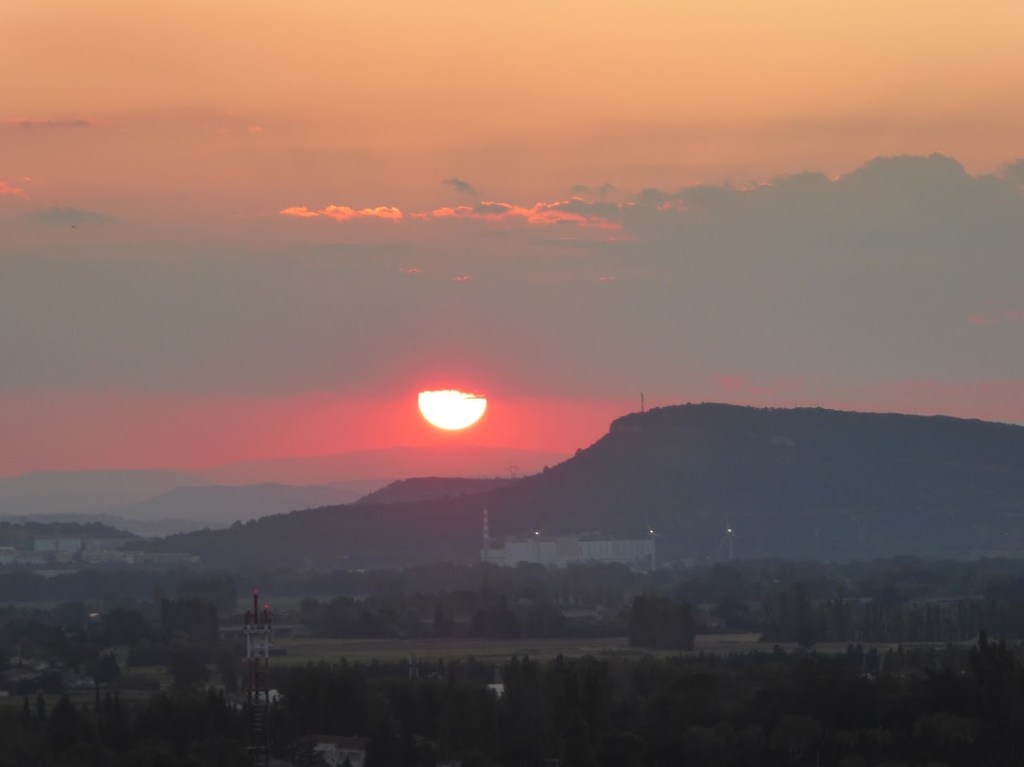
This view was accompanied by the faint sounds of music that had my feet itching. Once the sun disappeared behind the hill, I dragged Mum in search of the source of it, happily coming upon a dance club for the older generation. I enjoyed watching for a while, especially seeing how good leaders some of them were. Yet another thing to return with a dance partner.
A plus,
Zoe x
 An Aixpat-en-Provence
Great post 😄
LikeLike